Science. Innovation. Wellbeing
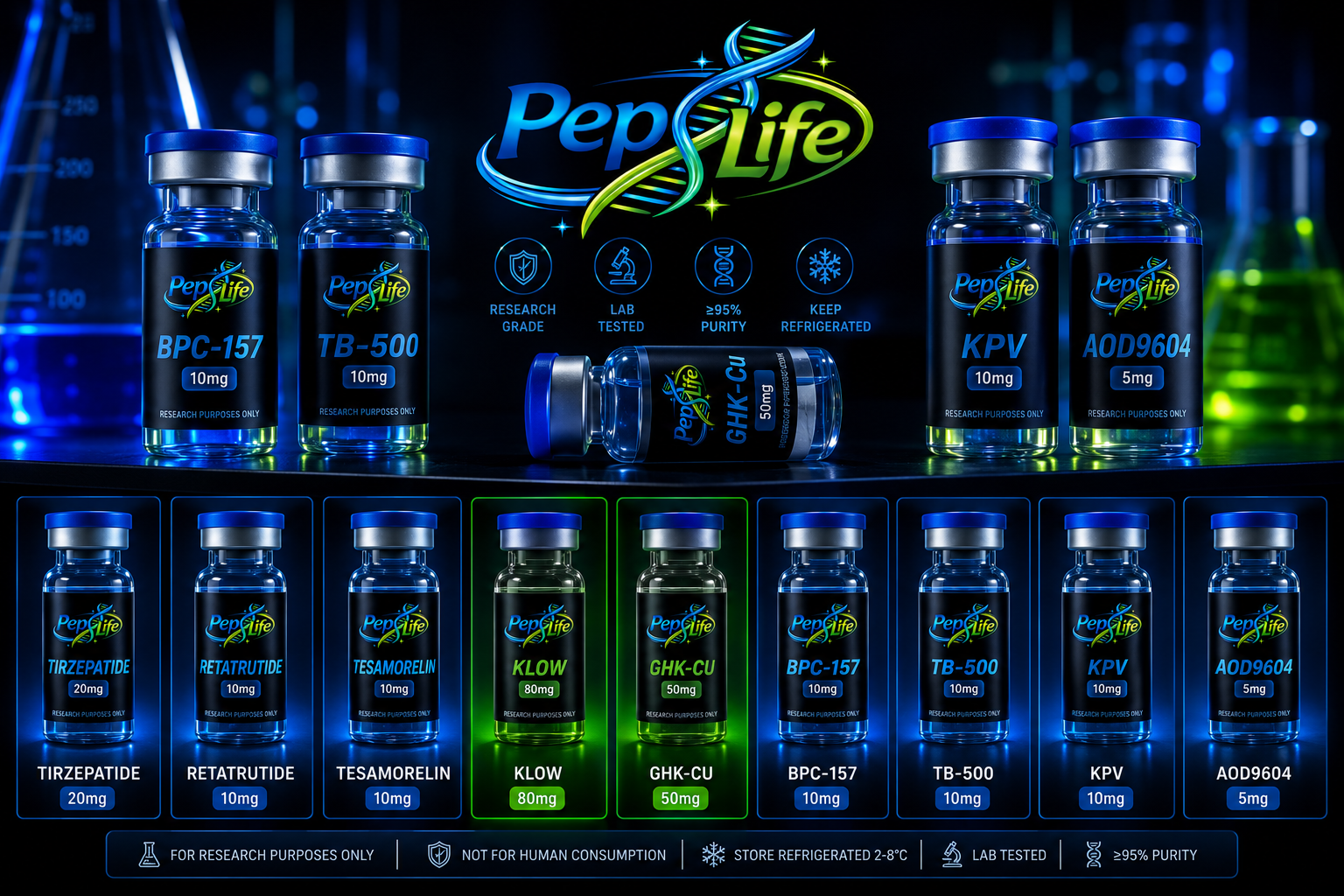
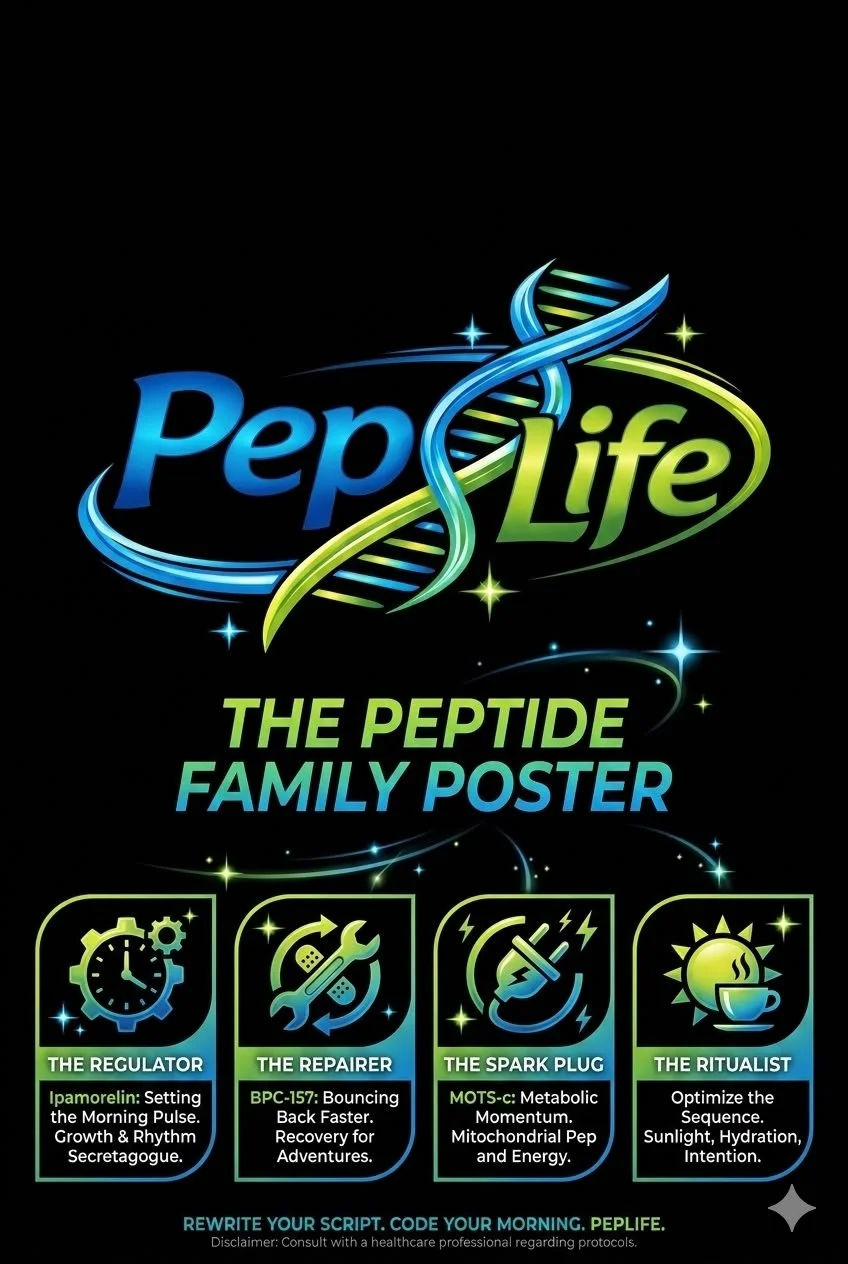
In recent years, peptides have gained significant attention in both research and wellness industries because they can be designed to target very specific biological pathways. Unlike traditional compounds that may have broader systemic effects, peptides can often be tailored for more precise actions, which is why they’re widely studied in fields like regenerative medicine, dermatology, metabolic research, and sports science.
A big reason for their popularity is their versatility. Different peptides are being researched for roles such as supporting collagen production, assisting tissue recovery, influencing growth factors, or modulating inflammatory responses. This targeted nature has made them attractive in experimental and clinical research settings, where precision matters.
They’re also generally broken down relatively quickly in the body, which can be both an advantage and a limitation. The advantage is reduced long-term accumulation; the limitation is that many peptides require specific delivery methods or formulations to remain stable and effective.
That said, it’s important to keep expectations grounded. While peptides are heavily researched and increasingly discussed in commercial spaces, not all of them are approved for general therapeutic use, and the quality of evidence varies widely depending on the specific compound. Some have strong clinical backing in certain applications, while others are still early-stage or experimental.
So rather than “miracle compounds,” peptides are best understood as a rapidly expanding class of bioactive molecules that are being explored for highly targeted biological effects. Their current popularity comes from a mix of promising research, growing biotech innovation, and increasing interest in precision-based approaches to health and performance.
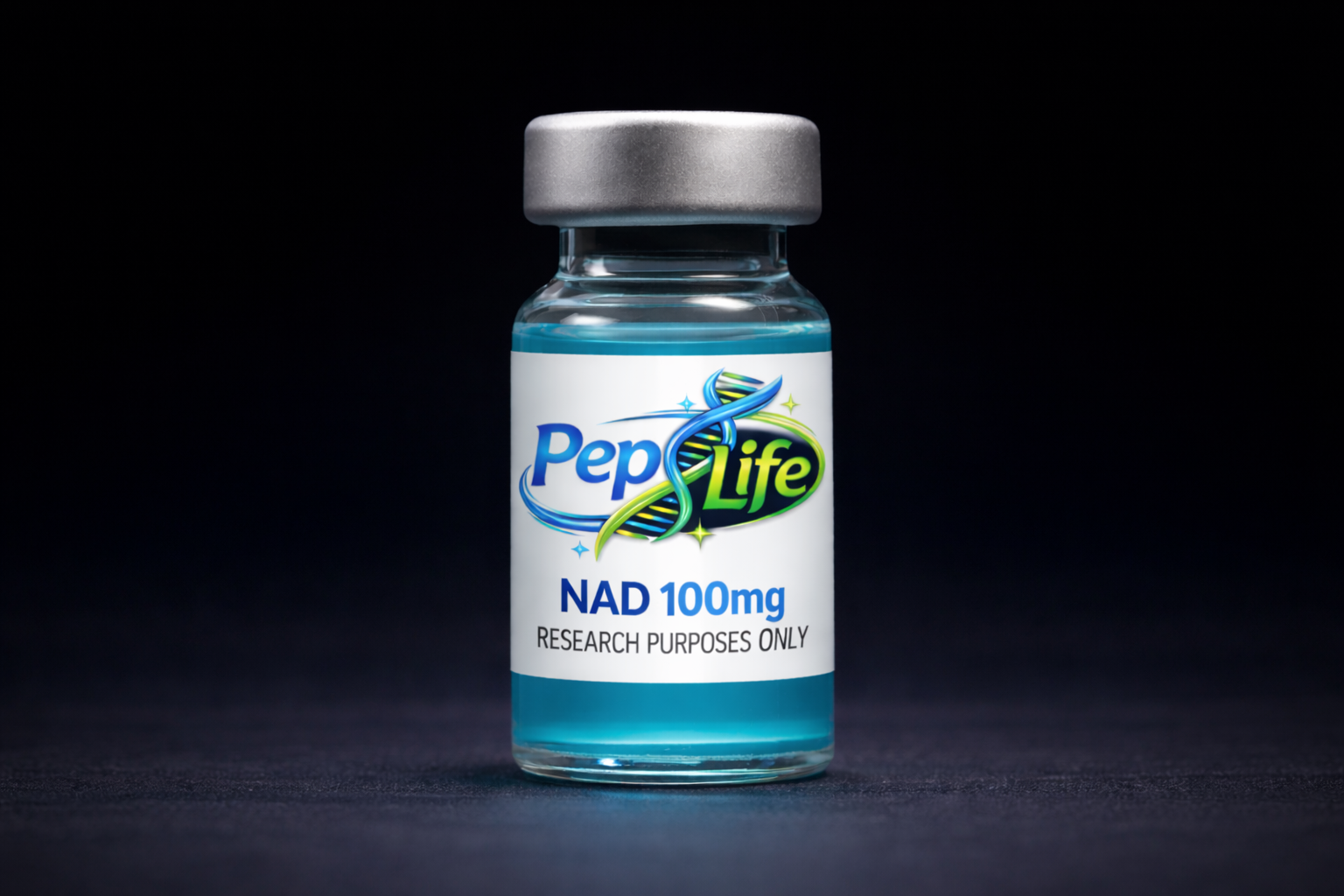
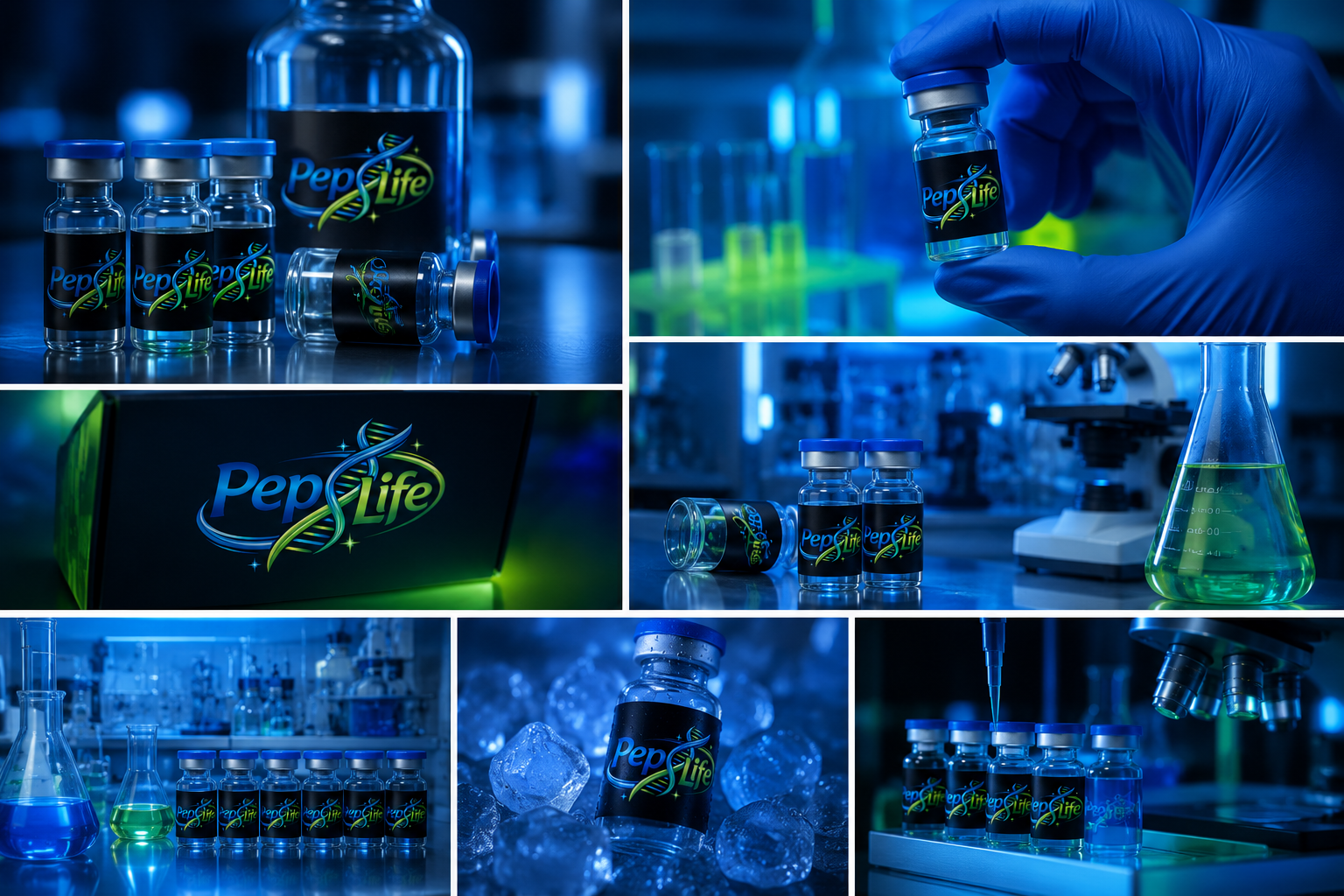
Pep Life Au is a research-focused brand dedicated to supplying high-quality peptides and research compounds strictly for laboratory and scientific purposes. Our goal is to support ongoing exploration and innovation by providing reliable products that meet high standards of quality and consistency.
At Pep Life Au, we are committed to transparency, education, and responsible practices within the research space. We aim to make advanced compounds more accessible to researchers while clearly maintaining that all products are intended for research purposes only and not for human consumption.
Our mission is to contribute to the advancement of scientific understanding by supporting safe, informed, and responsible research.
Delivering High-Quality Peptides Backed by Expertise

All peptides are supplied with ≥95% purity, verified through analytical testing such as High-Performance Liquid Chromatography (HPLC). Purity ensures consistent results in all research applications. Each batch undergoes thorough testing for identity, purity, and consistency. We follow strict quality control protocols to maintain the integrity of all products.
Pep Life Au
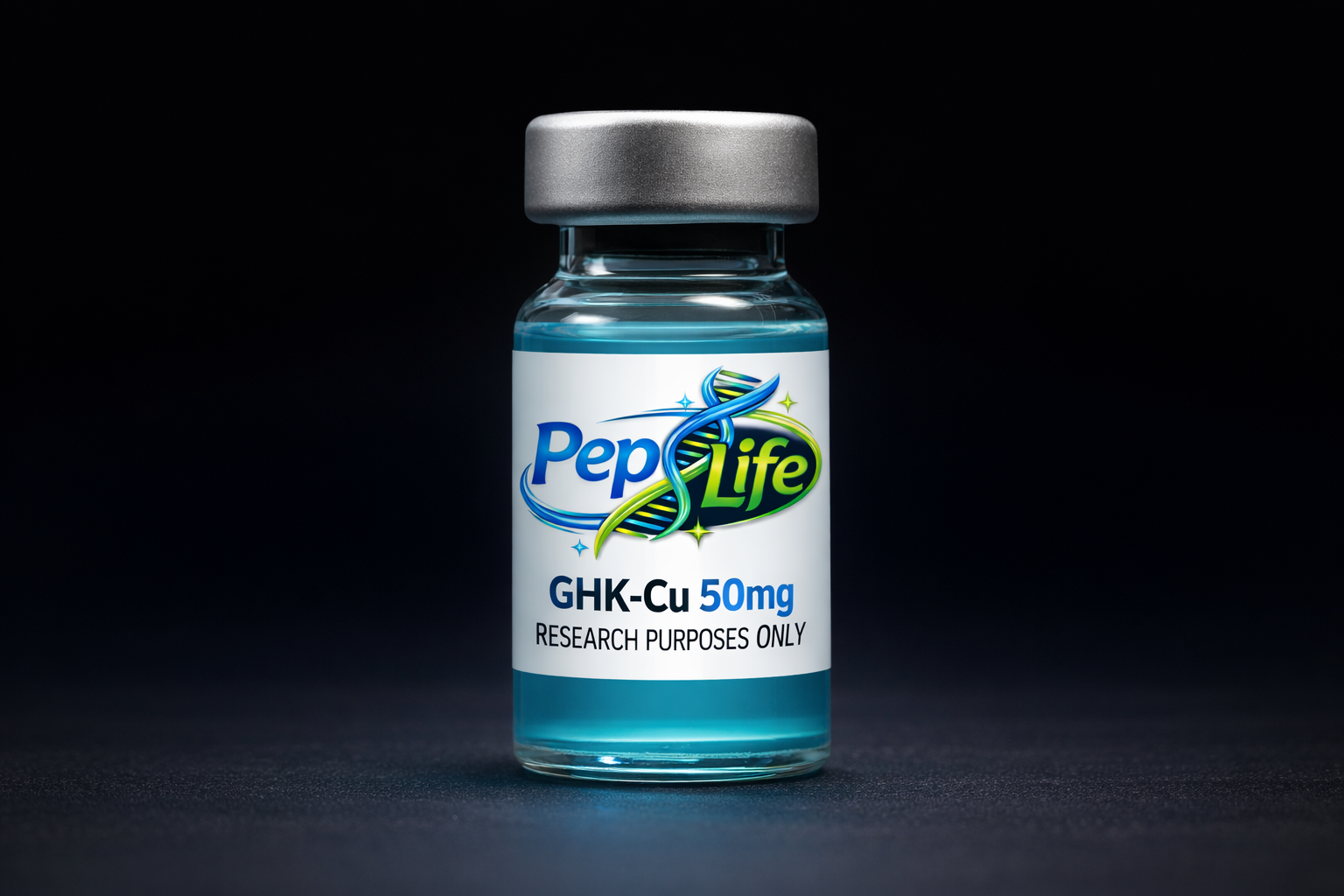
GHK-Cu (Copper Peptide) is a highly researched peptide known for its role in cellular signaling and regenerative pathways. Frequently explored in studies involving collagen activity and tissue-related processes, GHK-Cu remains at the forefront of peptide research and innovation.
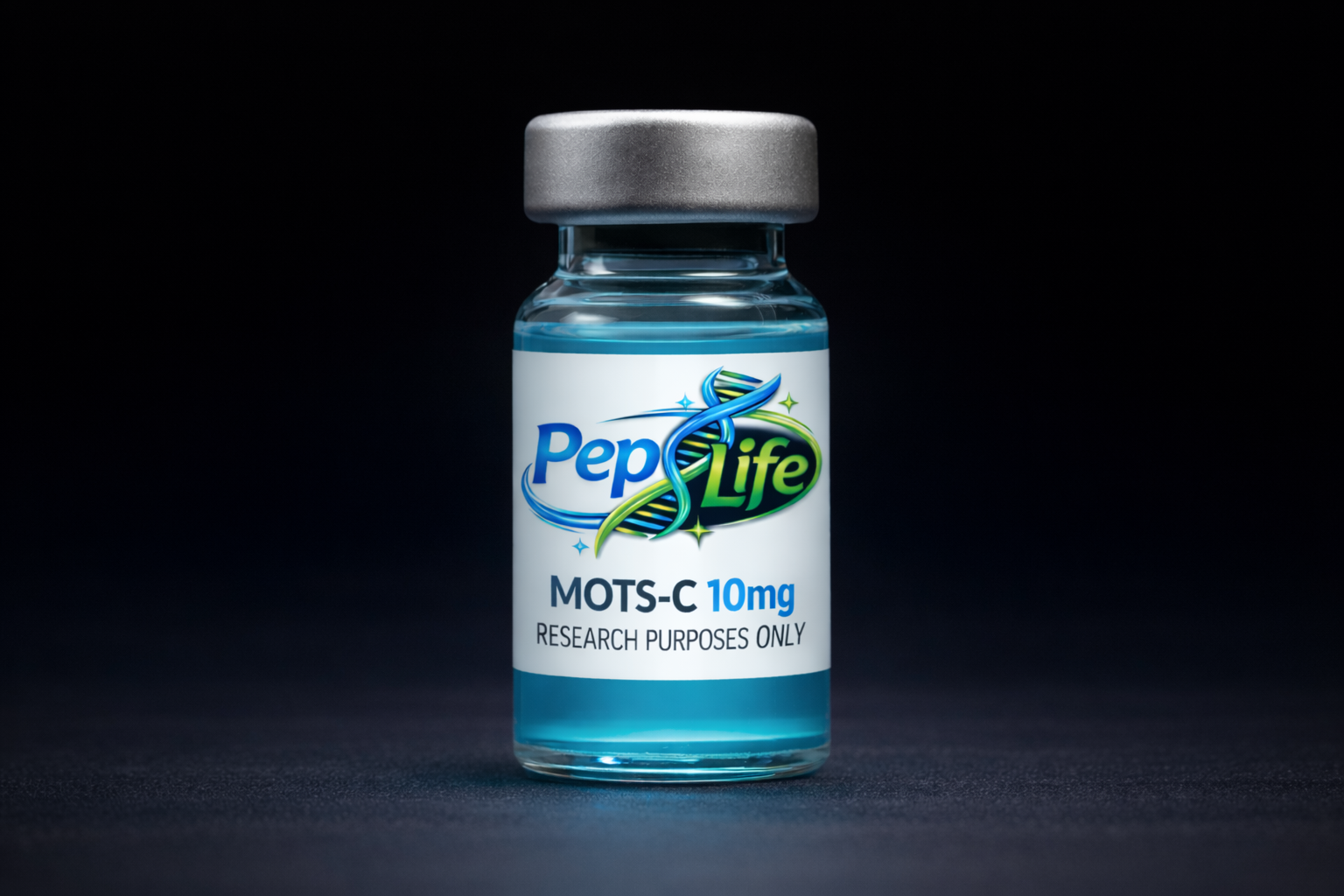
MOTS-c is a highly researched mitochondrial peptide explored for its role in metabolic signaling, energy regulation, and cellular function, positioning it at the forefront of modern peptide research.